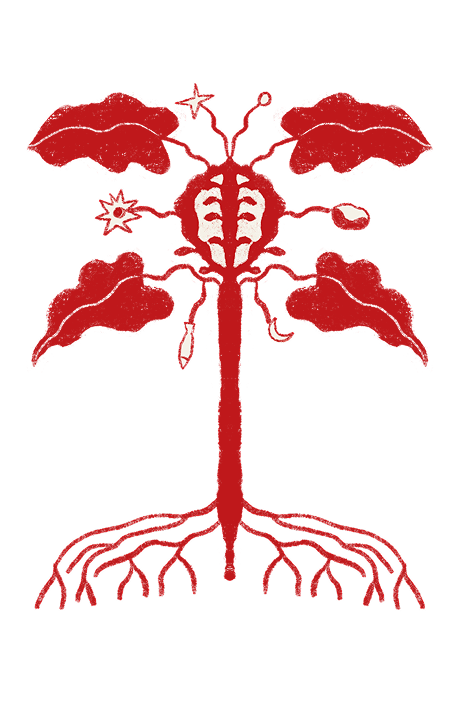
Umisha de la Abundancia
A celebration of the knowledge and desires of the communities we are working-with through a mapping exercise.
Tools
A friend once told me that when working in and with communities, she believes the knowledge we need is already in the room. Though through a simplistic look this comment seems to suggest that communities already possess every answer or that knowledge from outside is unnecessary. But if we sit with this comment, we can see how it challenges the way knowledge is often imagined and distributed.
Communities, particularly those living at the margins or in precarious conditions, are often approached through frameworks of deficiency. External “experts” frequently arrive carrying solutions without first recognizing the practices, relationships, histories, and forms of care that already exist within the community. In these encounters, communities have and can become positioned through what they supposedly lack rather than through the abundance of knowledge and capacity they already hold.
Knowledge is always relational, and communities continuously exchange ideas, tools, and practices across different worlds. So, the context and intention of this activity is not about refusing what outsiders have to share. Umisha de la Abundancia is a way of beginning from a celebratory premise: one that acknowledges that people already carry valuable forms of knowing shaped through lived experience, territorial relation, struggle, joy, care, and survival.
Umisha de la Abundancia combines collective mapping with celebration as a way of doing work in and with community that acknowledges what has already been seeded, what needs care and impulse, and what desires are waiting to flourish once more. It is a collective exercise in recognition that refuses managerial strategies for extracting information from participants.
The activity works best when approached slowly and relationally. Food, music, movement, conversation, and care are part of the methodology itself.
The activity draws inspiration from the Umisha or Yunza, a syncretic carnival celebration practiced across Peru during carnivals. The Umisha is a tree adorned with gifts and offerings that are later collectively received through music, dance, and gathering. In this practice, the tree becomes a communal device for mutual aid, celebration, and abundance.